
Western Azerbaijan
Urud Fortress
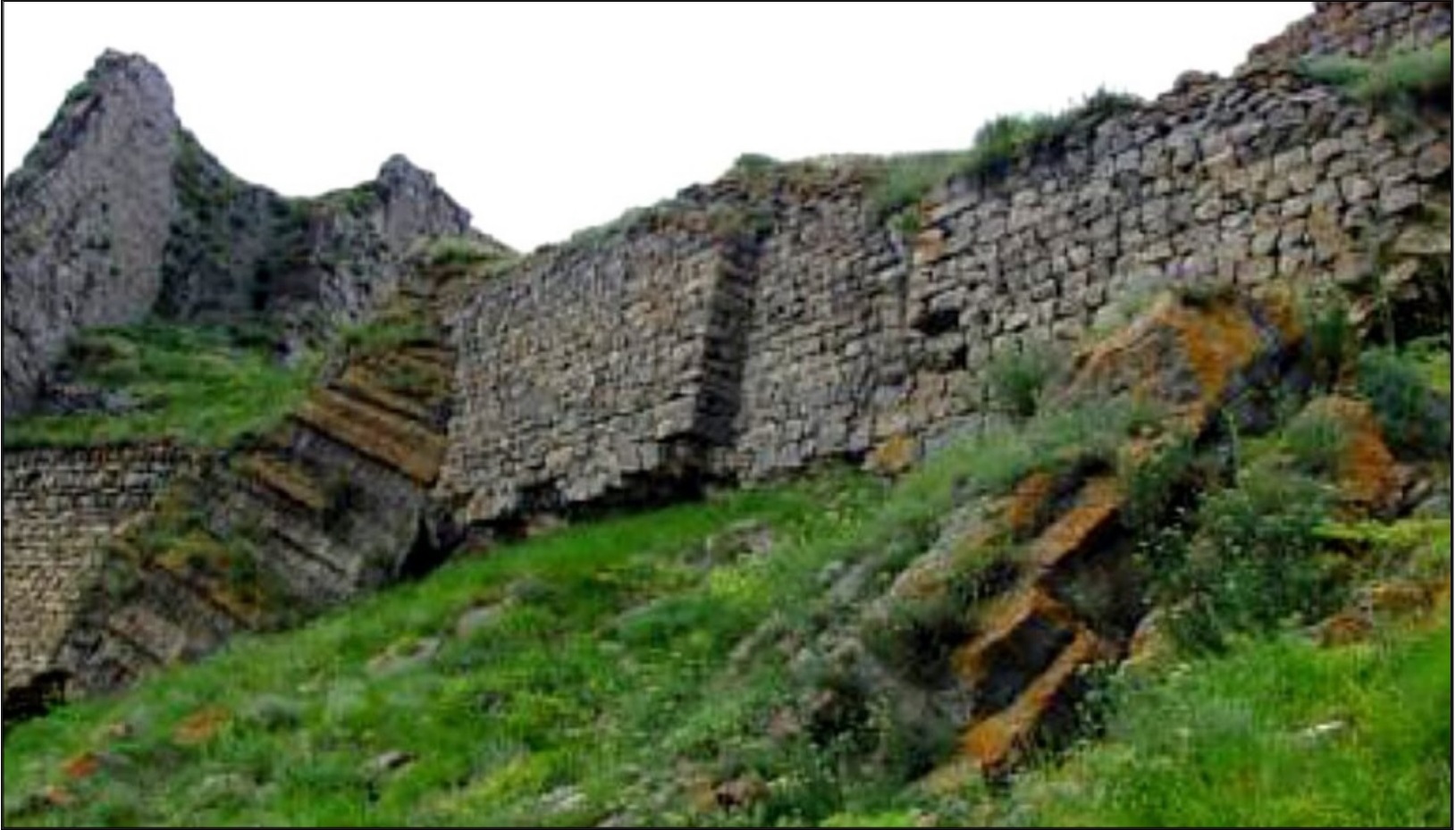
Urud Fortress was built on a hill near the village of Urud, in the Garakilsa district of ancient Zangazur, on the right bank of the Bazarchay River, in the 6th–7th centuries. Between 1075 and 1094, the fortress belonged to Senikarim I, ruler of Syunik. In 1104, the fortress was captured by the Seljuk Turks. In the early 13th century, the Orbelian dynasty of Kipchak origin, who had migrated from north of the Caspian Sea, settled in Zangazur and adopted Christianity. Over time, the Orbelian dynasty became assimilated into the Armenian population. When Amir Timur’s forces invaded Syunik in 1386, they also seized Urud Fortress. In 1407, the Qaraqoyunlu ruler Qara Yusif captured the fortress and appointed the local feudal lord, Melik Baghir, as its governor. The lineage of Melik Baghir, a noble of the Qaraqoyunlu feudals, ruled over Urud Fortress for nearly three centuries. The clan of Melik Baghir, a noble from the Qaraqoyunlu feudal class, governed Urud Fortress for nearly three centuries. The Melikbaghirli family lived in Urud until the early 20th century and were known as an esteemed lineage—well-educated, highly respected, and holders of religious ranks with advanced theological training. Today, Urud Fortress lies in ruins. When viewed from above, the fortress resembles a saddle shape extending northwest to southeast. It is surrounded on three sides by steep cliffs, with remnants of double defensive walls visible only on the southwest side. These walls were built using large, uncut basalt stones bonded with lime mortar. On the wall facing the Bazarchay River, the remains of an underground passage leading toward the river still survive.